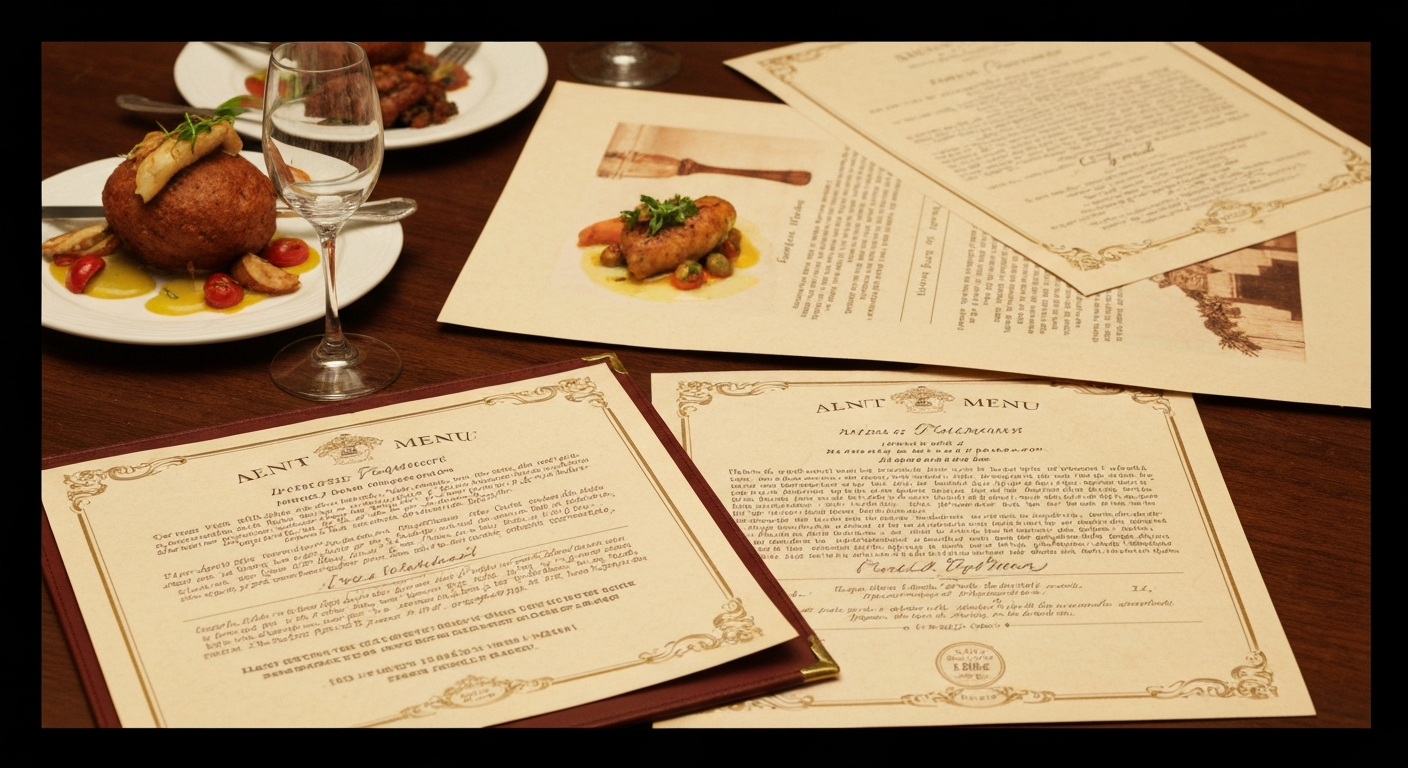

There's something truly special about a thoughtfully prepared dinner. It's more than just a meal; it's an experience, a moment to connect, celebrate, and savor exquisite flavors. A "rich" and "delightful" dinner menu transcends mere sustenance, transforming an ordinary evening into an extraordinary memory. But what exactly goes into creating such an experience? It's a blend of careful planning, culinary creativity, and a touch of passion.
Defining Rich & Delightful
When we talk about a rich and delightful dinner, we're not necessarily referring to expensive ingredients or overly complex dishes. Instead, it's about depth and satisfaction in every sense:
Rich in Flavor: Layers of taste that excite the palate, from savory and umami to sweet and tangy.
Rich in Texture: A pleasing variety of elements – creamy alongside crisp, tender next to crunchy.
Delightful in Presentation: Food that is appealing to the eyes, beautifully arranged, and inviting.
Delightful in Experience: A harmonious progression of courses, complemented by ambiance and good company.
The goal is to create a sense of occasion, whether it's a casual weeknight with loved ones or a formal celebration.
The Blueprint: Planning Your Menu
The secret to a delightful dinner lies in its planning. Think of yourself as a conductor, orchestrating a symphony of flavors and textures.
1. Choose a Theme or Inspiration
A theme can provide a wonderful starting point and guide your choices. Consider:
Seasonal: Embrace fresh, seasonal produce. Think light and vibrant for spring/summer, hearty and comforting for autumn/winter.
Regional: Explore the cuisines of Italy, France, Mexico, Thailand, or the Mediterranean. This offers a cohesive flavor profile.
Occasion-Based: A romantic dinner might call for elegant, shared dishes, while a family gathering might favor comforting classics.
Dietary Needs: Planning around vegetarian, vegan, gluten-free, or other dietary requirements can also be a creative challenge.
2. Balance is Key
A truly delightful menu offers balance across several dimensions:
Flavors: Don't let one strong flavor dominate. Balance richness with acidity, sweetness with savoriness.
Textures: Ensure variety. If your main course is creamy, perhaps your appetizer or side can offer a crunch.
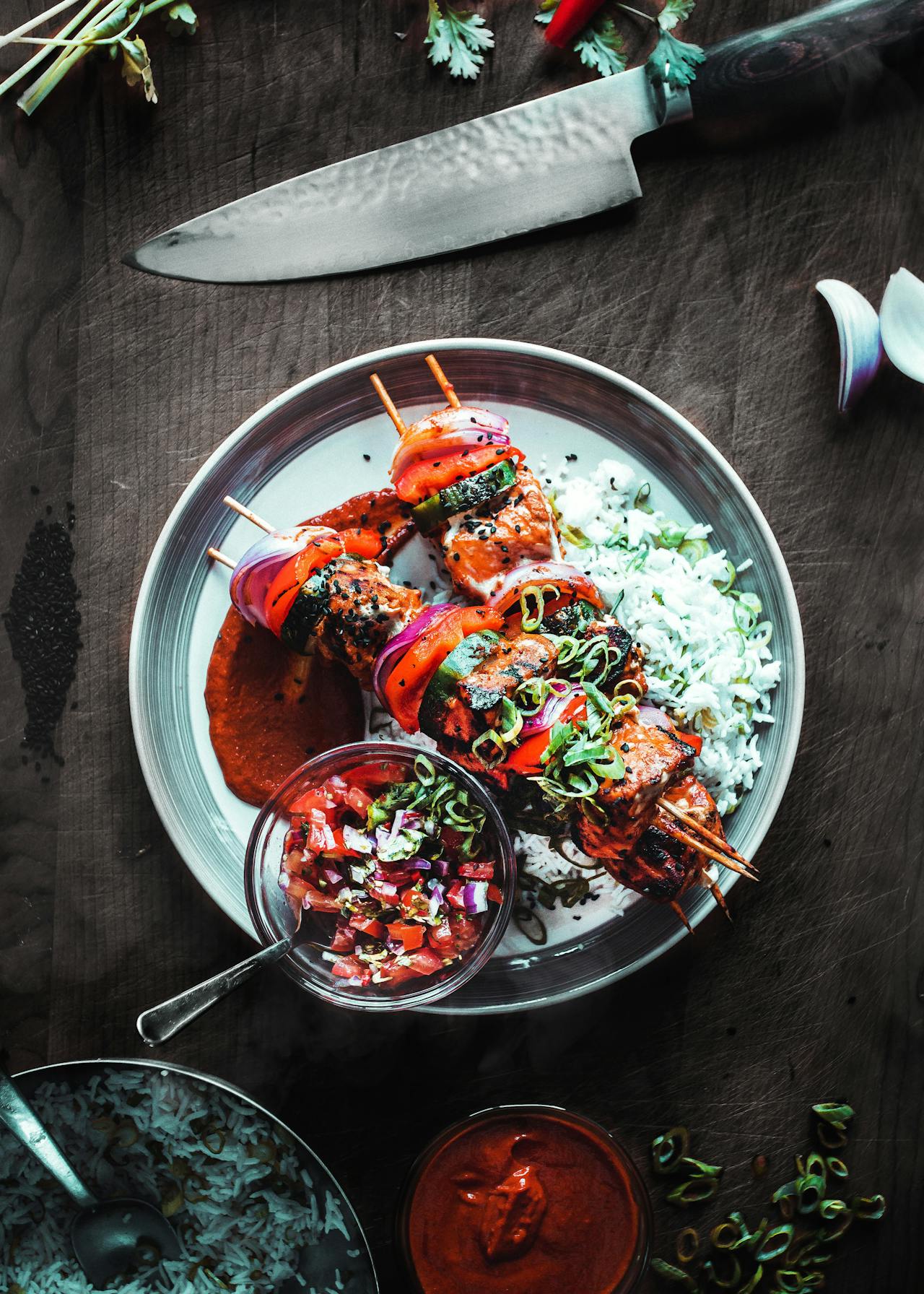
Colors: A visually appealing plate is a delightful plate. Incorporate a range of natural colors from vegetables and proteins.
Heaviness: Avoid making every course overly rich or heavy. A lighter appetizer can beautifully prelude a substantial main course.
Crafting Each Course with Care
Each course plays a vital role in the overall dining experience, building anticipation and satisfaction.
The Appetizer: Setting the Stage
The first impression is crucial. Appetizers should be:
Light and Inviting: Something that whets the appetite without filling guests up too much.
Flavorful: A hint of the deliciousness to come.
Easy to Eat: Often finger foods or small portions that don't require too much fuss.
Ideas: A delicate bruschetta, a vibrant caprese skewer, a small bowl of elegant soup, or a curated cheese board.
The Main Course: The Heart of the Meal
This is where your chosen theme often shines brightest. The main course should be:
The Star: The dish around which the rest of the meal is built.
Substantial but Not Overwhelming: Satisfying and flavorful, but balanced.
Thoughtfully Prepared: Use quality ingredients and allow adequate time for cooking.
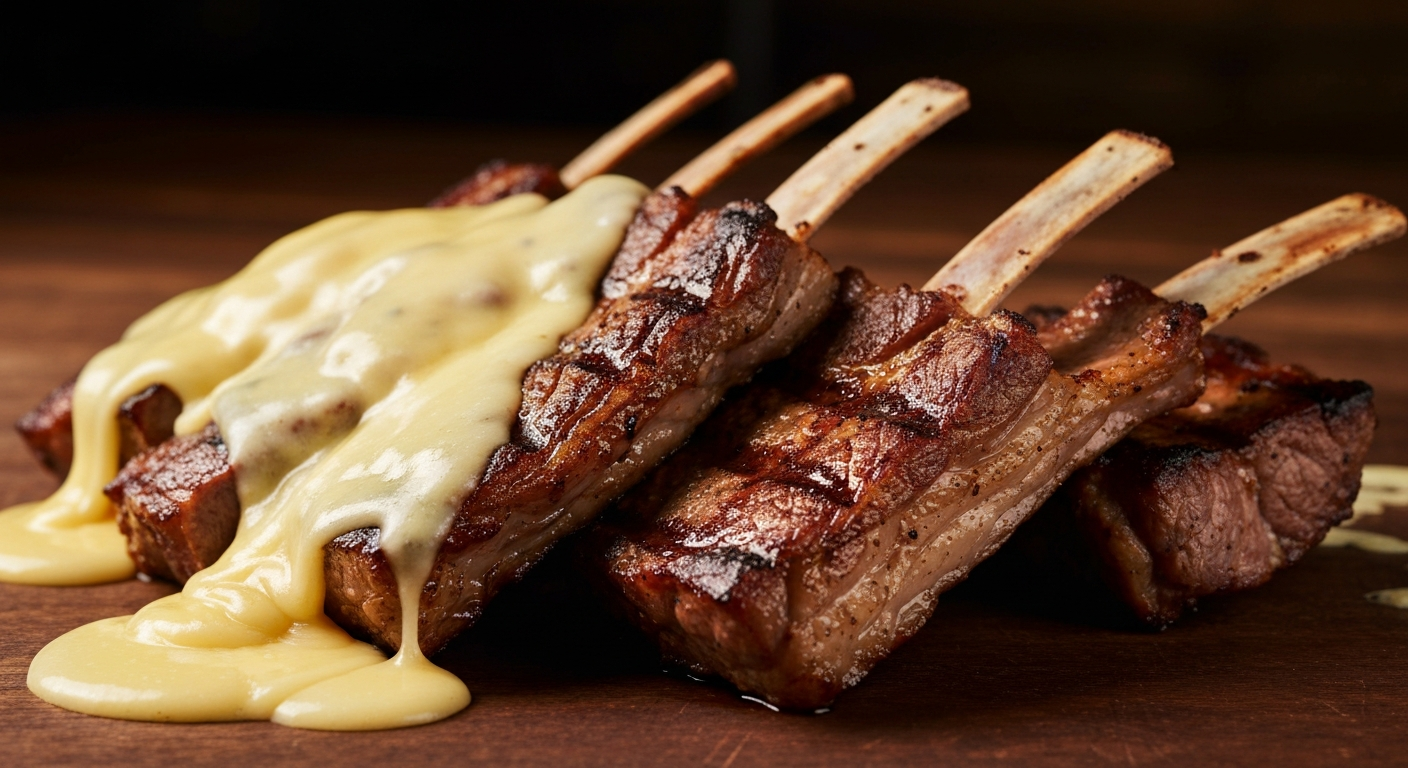
Ideas: Pan-seared scallops with lemon-butter sauce, slow-roasted lamb with herbs, a rich mushroom risotto, or a perfectly grilled steak with a gourmet sauce.
The Side Dishes: Enhancing the Ensemble
Sides are not just afterthoughts; they complement and elevate the main course.
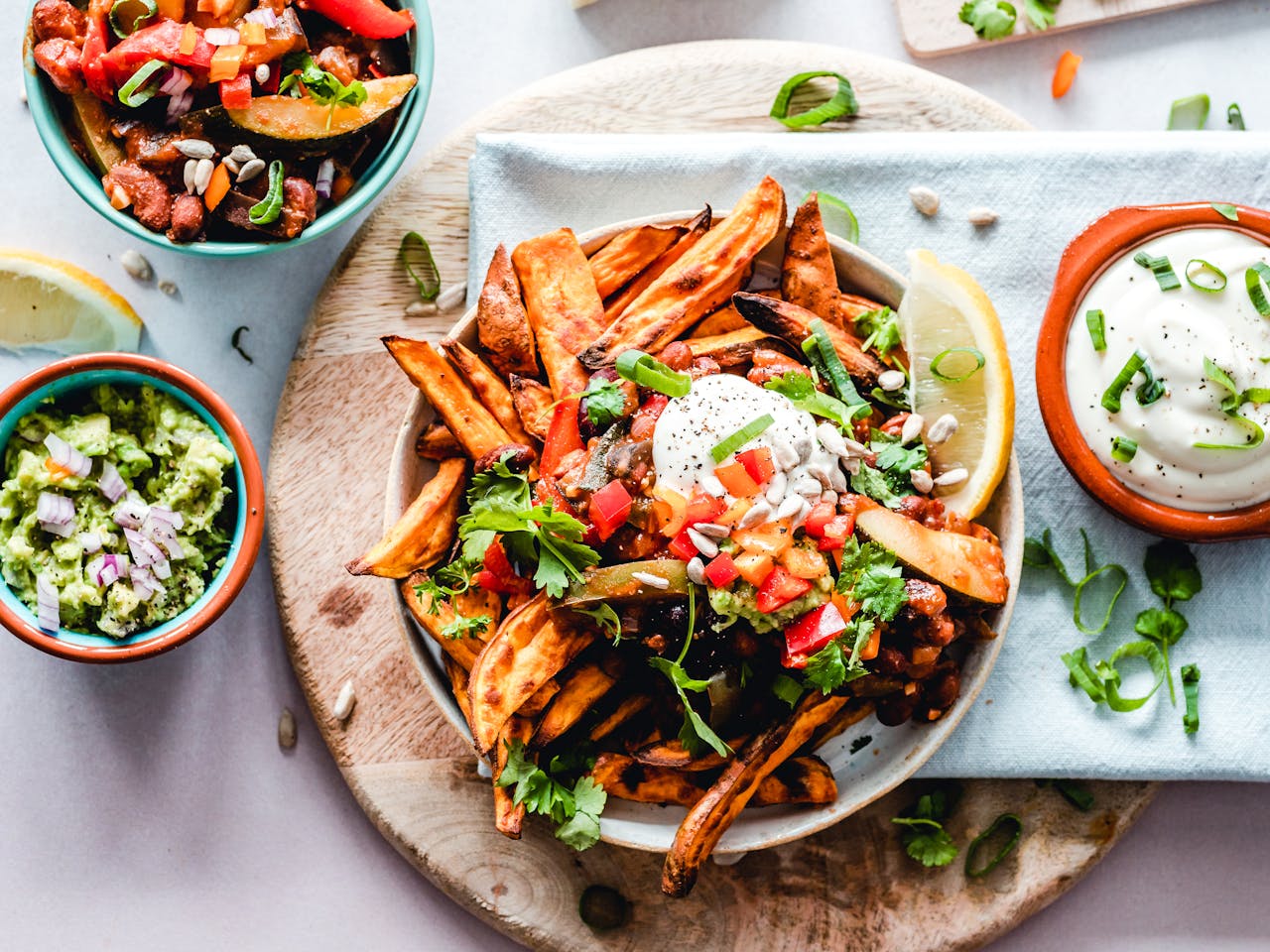
Contrast and Complement: Offer contrasting textures (e.g., crisp greens with a tender protein) or complementary flavors (e.g., roasted root vegetables with a hearty roast).
Color and Nutrition: Add vibrancy and essential nutrients to the plate.
Ideas: Creamy polenta, vibrant asparagus with hollandaise, garlic mashed potatoes, or a fresh, crisp garden salad with a homemade vinaigrette.
Dessert: The Sweet Conclusion
A delightful dinner deserves a memorable sweet ending. Dessert should be:
Satisfying: A pleasurable finish to the meal.
Not Too Heavy: Especially if the preceding courses were rich.
Visually Appealing: A beautiful dessert is a joy to behold.
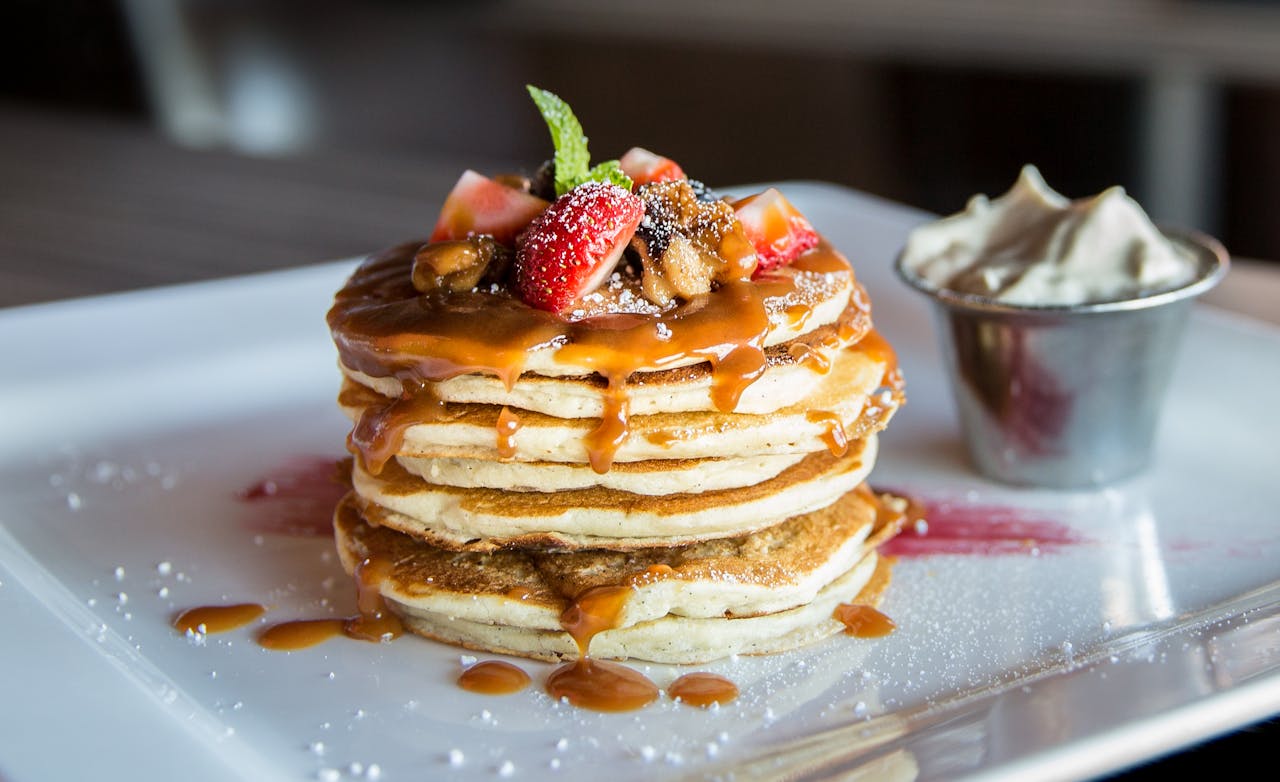
Ideas: A light panna cotta with berry compote, a classic crème brûlée, individual fruit tarts, or a decadent but small chocolate lava cake.
Beyond the Plate: The Ambiance
A delightful dinner isn't just about the food. Consider:
Table Setting: Crisp linens, elegant dinnerware, and subtle decorations.
Lighting: Soft, warm lighting creates a cozy and intimate atmosphere.
Music: A gentle background playlist can enhance the mood without distracting.
Beverage Pairings: Thoughtfully chosen wines, craft beers, or signature mocktails can elevate the flavors of your dishes.
Conclusion
Crafting a rich and delightful dinner menu is an act of love and creativity. It's about more than just cooking; it's about curating an experience that engages all the senses and brings people together. By focusing on thoughtful planning, balancing flavors and textures, and paying attention to every detail from appetizer to ambiance, you can transform any meal into an unforgettable occasion. So, next time you plan a dinner, embrace the art of menu creation, experiment with new ideas, and delight your guests with a truly exceptional culinary journey.