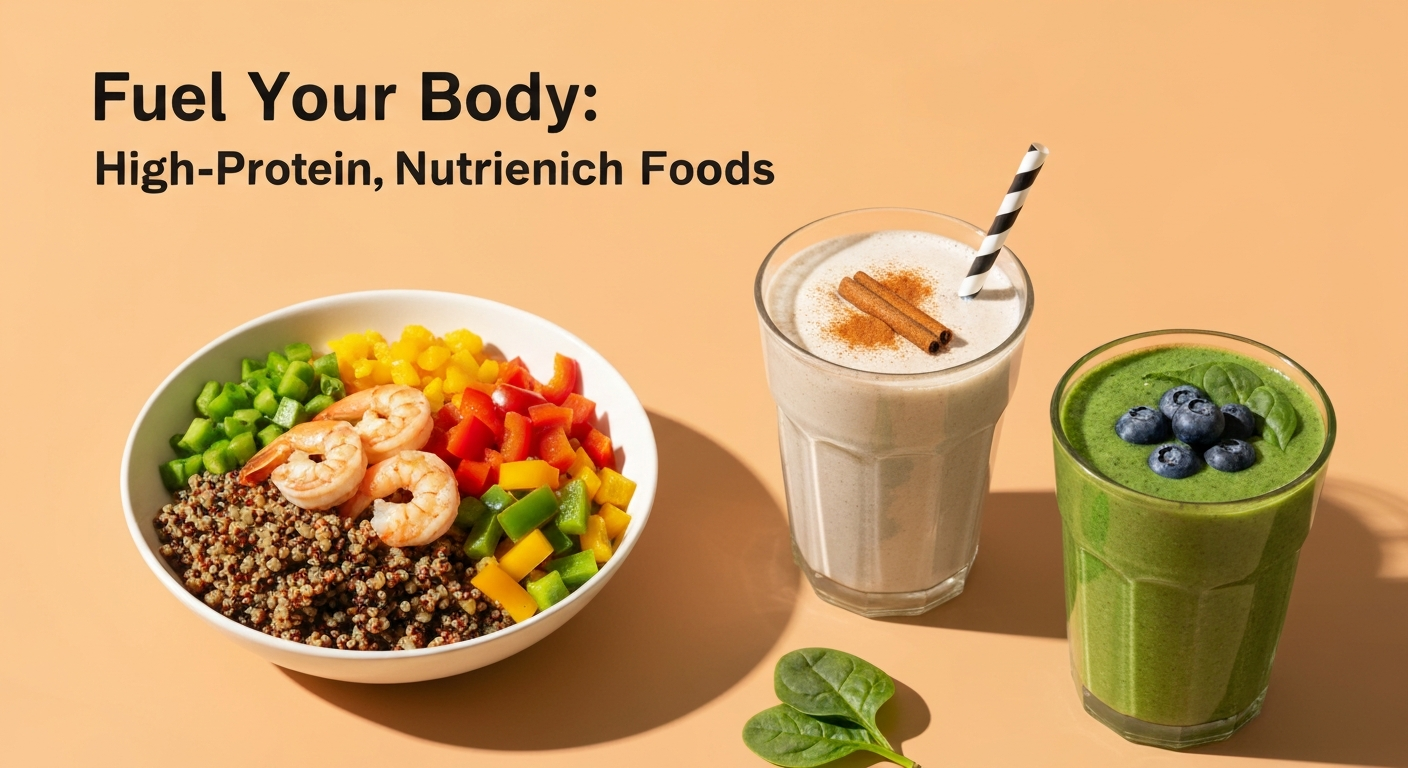

In the quest for a healthier lifestyle, you've likely heard the buzz about protein. But what exactly makes it so crucial, and how can you ensure your diet is packed with not just protein, but also the vital nutrients your body craves? This blog post will dive deep into the world of high-protein, nutrient-rich foods, exploring both animal- and plant-based options that can supercharge your health.
Why Protein Matters: More Than Just Muscles
Protein is a foundational macronutrient, essential for virtually every function in your body. While it's famously known for building and repairing muscles, its roles extend far beyond the gym. Protein is crucial for:
Enzyme and Hormone Production: Many enzymes and hormones, vital for bodily processes, are proteins.
Immune Function: Antibodies, which fight off infections, are made of protein.
Satiety and Weight Management: Protein helps you feel full longer, reducing overall calorie intake.
Bone Health: Adequate protein intake is linked to stronger bones.
Hair, Skin, and Nail Health: These tissues are largely composed of protein.
But it's not enough to just eat any protein. Pairing it with a wealth of vitamins, minerals, and other beneficial compounds is key to truly nourishing your body.
Animal-Based Powerhouses
When it comes to complete proteins – those containing all nine essential amino acids – animal sources are often the first to come to mind. These options frequently offer a convenient package of protein alongside other vital nutrients.
Lean Meats
Chicken and Turkey Breast: These are excellent sources of lean protein, low in fat, and versatile for various meals. They also provide B vitamins (B3, B6, B12), selenium, and phosphorus.
Lean Beef: Opt for leaner cuts of beef to get a significant protein boost, along with highly bioavailable iron, zinc, and B vitamins, particularly B12.
Fish and Seafood
Beyond protein, fish and seafood are often celebrated for their healthy fats and unique nutrient profiles.
Salmon: A true nutritional superstar, salmon is rich in protein and packed with omega-3 fatty acids, which are crucial for heart and brain health. It also delivers a healthy dose of Vitamin D and B vitamins.
Tuna: Light tuna (canned in water) offers a lean, convenient protein source. It’s also rich in selenium and B vitamins.
Shrimp: Low in calories and high in protein, shrimp provides selenium, B12, and iodine.
Eggs
Often called nature's multivitamin, eggs are an incredibly versatile and affordable protein source. One large egg contains about 6 grams of high-quality protein, along with choline (important for brain health), Vitamin D, and various B vitamins.
Dairy Products
Greek Yogurt: This strained yogurt packs a powerful protein punch – often double that of regular yogurt – along with probiotics for gut health and calcium for strong bones.
Cottage Cheese: Another dairy champion, cottage cheese is high in protein, calcium, and contains casein protein, which is digested slowly, promoting satiety.
Plant-Based Protein Champions
For those following a vegetarian or vegan diet, or simply looking to diversify their protein intake, the plant kingdom offers an incredible array of nutrient-dense options.
Legumes
Beans, lentils, and peas are not just rich in protein but also loaded with fiber, which aids digestion and helps regulate blood sugar.
Lentils: A staple in many cuisines, lentils are incredibly versatile, offering protein, fiber, iron, and folate.
Chickpeas (Garbanzo Beans): Great in salads, hummus, or roasted as a snack, chickpeas provide protein, fiber, and manganese.
Black Beans: These offer a hearty dose of protein, fiber, and antioxidants, perfect for soups, stews, or tacos.
Nuts and Seeds
These tiny powerhouses are not only rich in protein but also healthy fats, fiber, vitamins, and minerals.
Almonds: A good source of protein, fiber, Vitamin E, and magnesium.
Chia Seeds: Packed with protein, fiber, and omega-3 fatty acids.
Flax Seeds: Similar to chia, offering protein, fiber, and lignans (plant compounds with antioxidant properties).
Pumpkin Seeds: Rich in protein, magnesium, zinc, and iron.
Quinoa
Unlike most plant proteins, quinoa is a complete protein, meaning it contains all nine essential amino acids. It’s also gluten-free and a good source of fiber, magnesium, iron, and B vitamins.
Tofu and Tempeh
Made from soybeans, tofu and tempeh are excellent sources of plant-based protein. Tempeh, a fermented soybean product, also offers probiotics and a meatier texture.
Smart Ways to Incorporate More Protein
Integrating these nutrient-rich foods into your daily diet doesn't have to be complicated. Here are a few tips:
Start Your Day Strong: Add Greek yogurt to your breakfast, scramble eggs with veggies, or blend a protein smoothie.
Snack Smart: Grab a handful of almonds, a hard-boiled egg, or some cottage cheese for a satisfying, protein-packed snack.
Boost Your Main Meals: Add lentils to soups, chickpeas to salads, or grilled chicken/fish to stir-fries.
Mix and Match: Don't rely on just one source. A diverse intake of protein from various animal and plant sources ensures a broader spectrum of nutrients.
Conclusion
Protein is undeniably vital for overall health, playing a role in everything from muscle repair to immune function. By consciously choosing high-protein foods that are also rich in other essential nutrients, you can significantly enhance your well-being. Whether you prefer lean meats and fish or lean towards legumes, nuts, and seeds, there's a world of delicious and nutritious options waiting to fuel your body and help you thrive. Embrace diversity in your protein choices to unlock a healthier, more energized you!